Loading…
A glimpse of their Pujo
Finds Pujo at its truest: early, quiet and old.
A playful Pujo identity, not a psychological test.
Explore their Pujo planThe oldest things are still happening, if you're early enough to see them.
Your Pujo begins in the dark, with a voice.
At four in the morning on Mahalaya the radio crackles and Birendra Krishna Bhadra begins the Mahishasuramardini, as he has on this morning since the 1930s. Once, in 1976, All India Radio tried to replace it with a new version starring Uttam Kumar, the greatest star Bengali cinema ever had. The city refused. There were protests, the old recording came back, and it has never left. You understand those people completely.
Some people wake up for Pujo. You wake up early for it.
While the city sleeps off the night, you're already out. The shiuli has fallen overnight: small white flowers with orange stems, scattered on wet grass as if someone spilt the season. You pick one up. You always do. Tagore wrote of tying bundles of kaash and stringing garlands of shefali for the goddess, and on these mornings you believe every word.
Your Pujo is North, and old, and quiet. The bonedi baris of Shobhabazar and Jorasanko, where families have held their Pujo in the same thakur dalan for a century or two. The ek-chala protima, the whole divine family in a single frame beneath a chalchitra painted the old way. The shola crown. A priest's voice with nobody else in the courtyard. You'd rather see one of these at six in the morning than forty pandals at night.
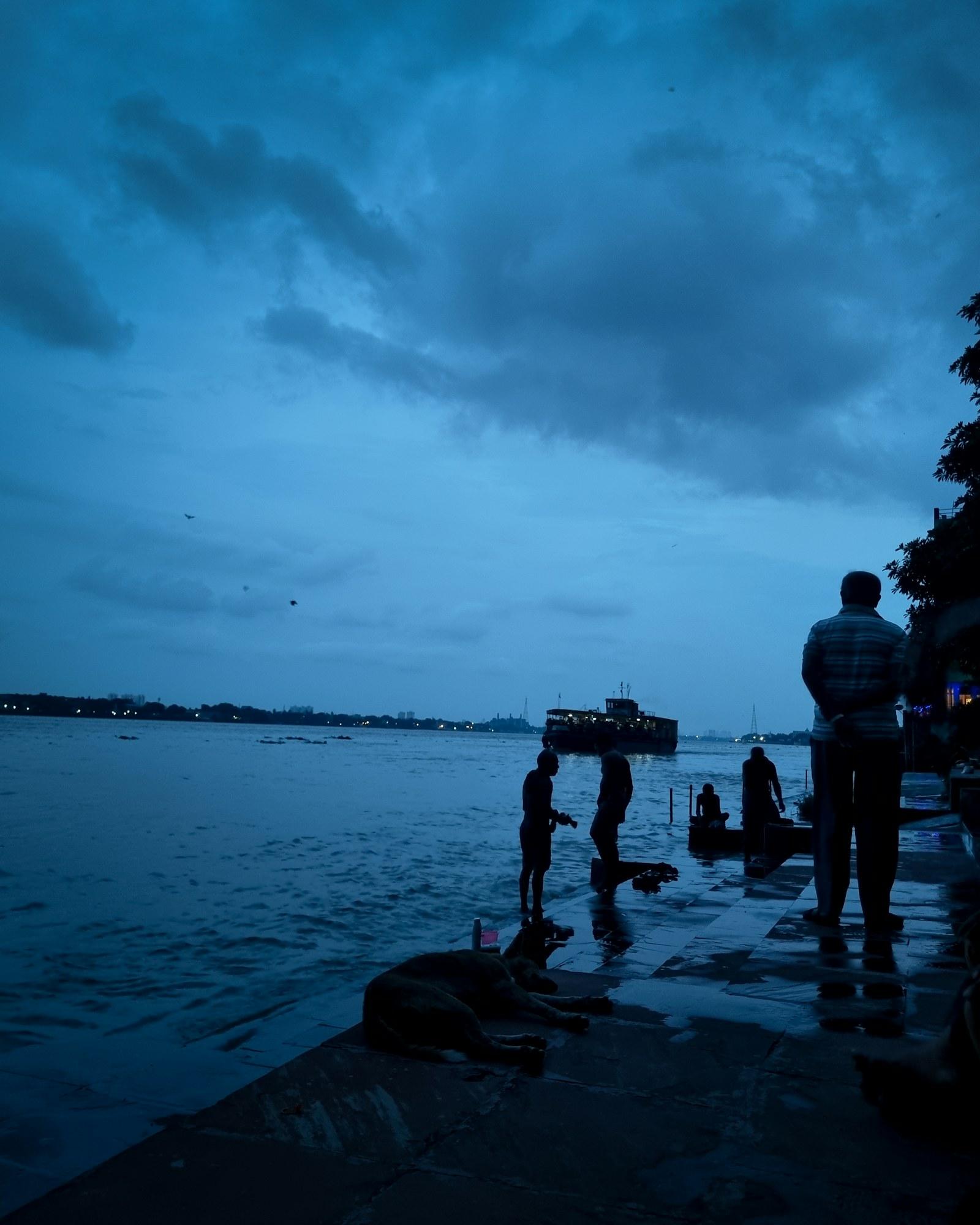
On the way home you pass a Night Owl on the Bagbazar ghat steps, finally going to bed. You nod. You are the only two people in Kolkata who have seen that pandal empty.
You know what the grandmothers know: that the Agamani songs welcoming Uma home and the Bijoya songs letting her go are the oldest Pujo music there is. So Dashami doesn't feel like an ending to you. It feels like a daughter going back to Kailash.
And the shiuli will fall again tomorrow, whether anyone is up to see it or not. You'll be up.
At their bestKeeps the old Pujo alive by showing up for it, and remembers what the season is for.
At their worstWakes the whole house for Mahalaya. Every year. Unforgiven.
Never missing Mahalaya. The bonedi bari circuit. An empty pandal at 6 am. Knowing the history. Keeping a grandparent's tradition alive, and passing it to a younger cousin.
Three routes, eight pandals and the plates to go with them, picked for a Shiuli.
First morning
Ashtami, 5:30 am to 9 am
The oldest Pujo in the city, before anyone else is up.
6 stops, in the order we would walk them.
The route, stop by stop
Stop order, not travel times. Open any place in Maps.
Walk it together. Share your plan. 112 if you need it.
Another morning?
The city, before it belongs to anyone.
The morning the countdown starts.
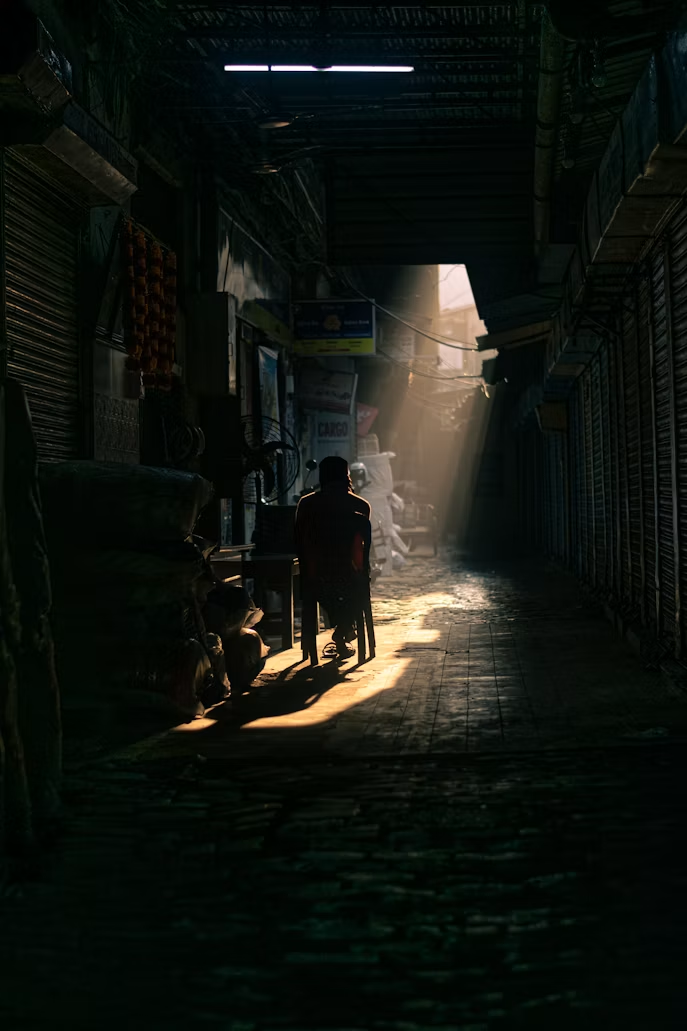
Quiet places to visit while the city is still waking.
Something warm after the first walk of the day.
Picked by our editors, not by an algorithm. Pujo 2026 themes and timings are announced pandal by pandal, so check before you go. Every stop opens in Google Maps.
Which one leads for you?